NOvember? YESvember!
By Luciano Saldise
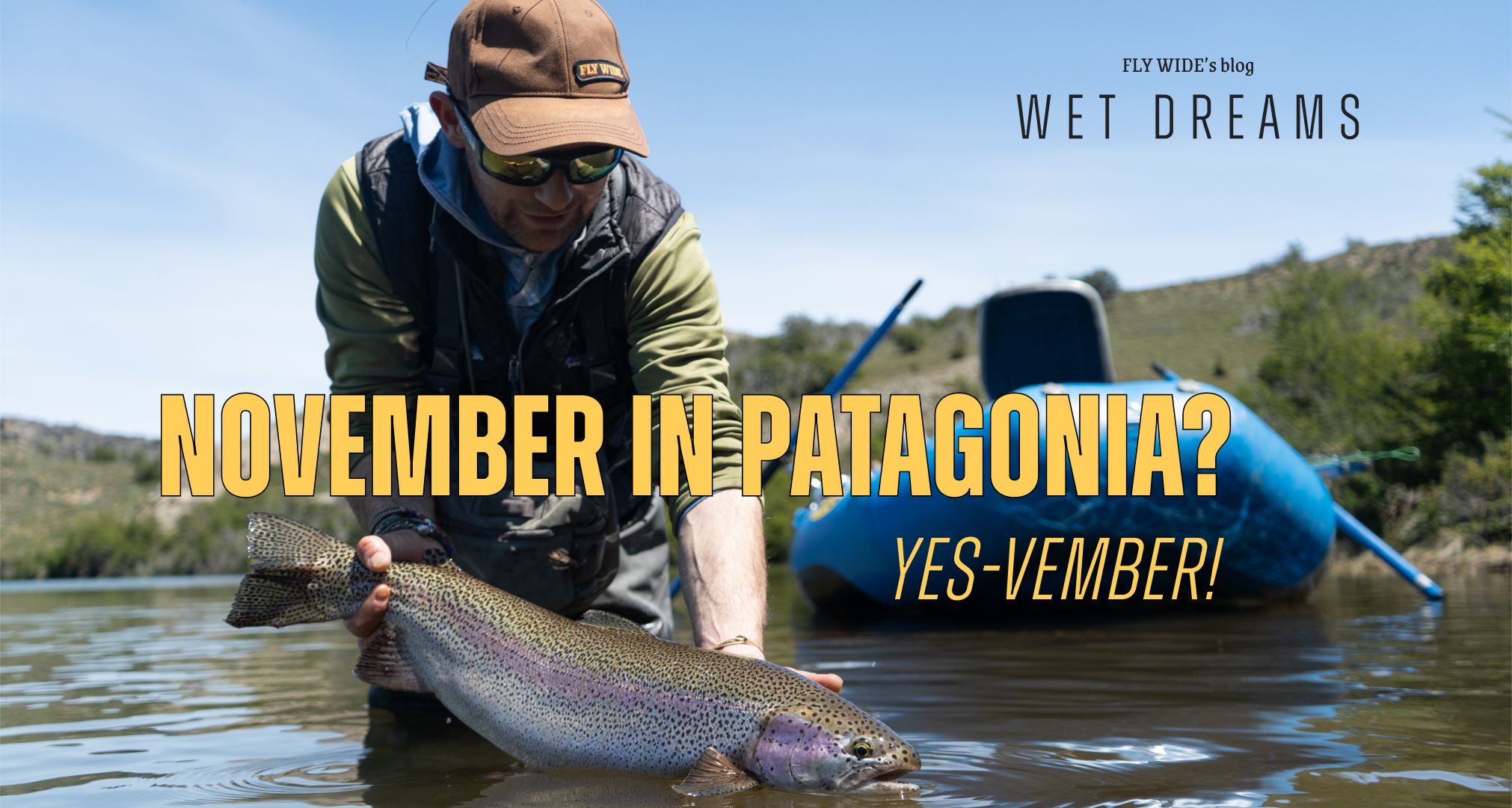
Often overlooked, November offers some of the most dynamic fly fishing in Patagonia, with aggressive trout, uncrowded rivers, and endless opportunity.
Fly Fishing Patagonia in November
Spring / November 2025
A Question Worth Asking
There’s a question I’ve been asking myself for the last several seasons without ever finding a convincing answer:
Why is November not a busy time of year for guides and lodges, considering it is a very prolific moments of the season to fish Patagonia?
Some people say it’s because it’s cold.
Some say the water is too high.
Some blame the lack of dry-fly action.
But you know how it goes… people say things.
If you really think about it, fish have been resting from anglers for half a year. Water levels are traditionally high (except for this season), water temperatures are rising, and fish are hungry.
Yes, water will often be too high and too cold for consistent dry-fly fishing. But if you enjoy sending streamers for true meat eaters, this is arguably the best moment of the season to plan your next visit to Patagonia.
From Neuquén Province in northern Patagonia to the southernmost rivers on Earth, we receive constant updates about fishing conditions and a general sense of what’s going on across the region.
This year has been particularly unusual in terms of snowfall. An extremely dry winter left most ski resorts closed, and there was virtually no snowpack reserved for our classic spring runoff. Every piece of free-flowing water feels like January in terms of levels, but not in temperature.
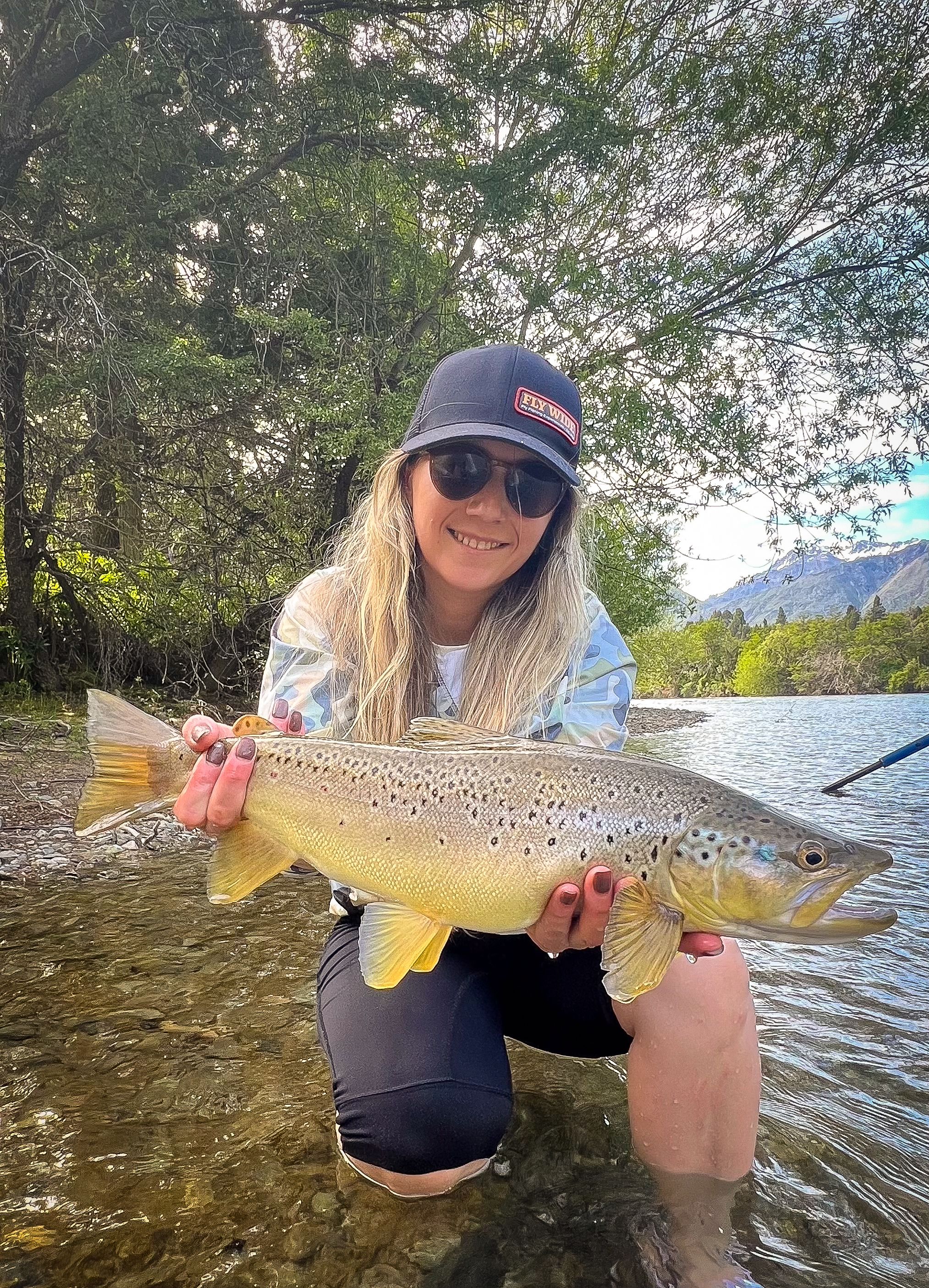
On one hand, most of the rainbow trout you encounter this month are fresh off the spawn, meaning they may not be at their absolute strongest, but they are plentiful and eager to gain weight. On the other hand, browns and brook trout—who spawn earlier—are fully recovered and in excellent shape.
Below is a small review of some of our iconic waters, based on first-hand information from guides, fishing friends, and of course, our own days on the water.
Bariloche Area
Rivers like the Limay and Manso are not as low as southern waters, suggesting there was slightly more snowfall in this region. Floating these rivers has been the most productive approach, sending streamers from drift boats with sinking-tip lines, casting tight to the banks and into willows to trigger early-season browns.
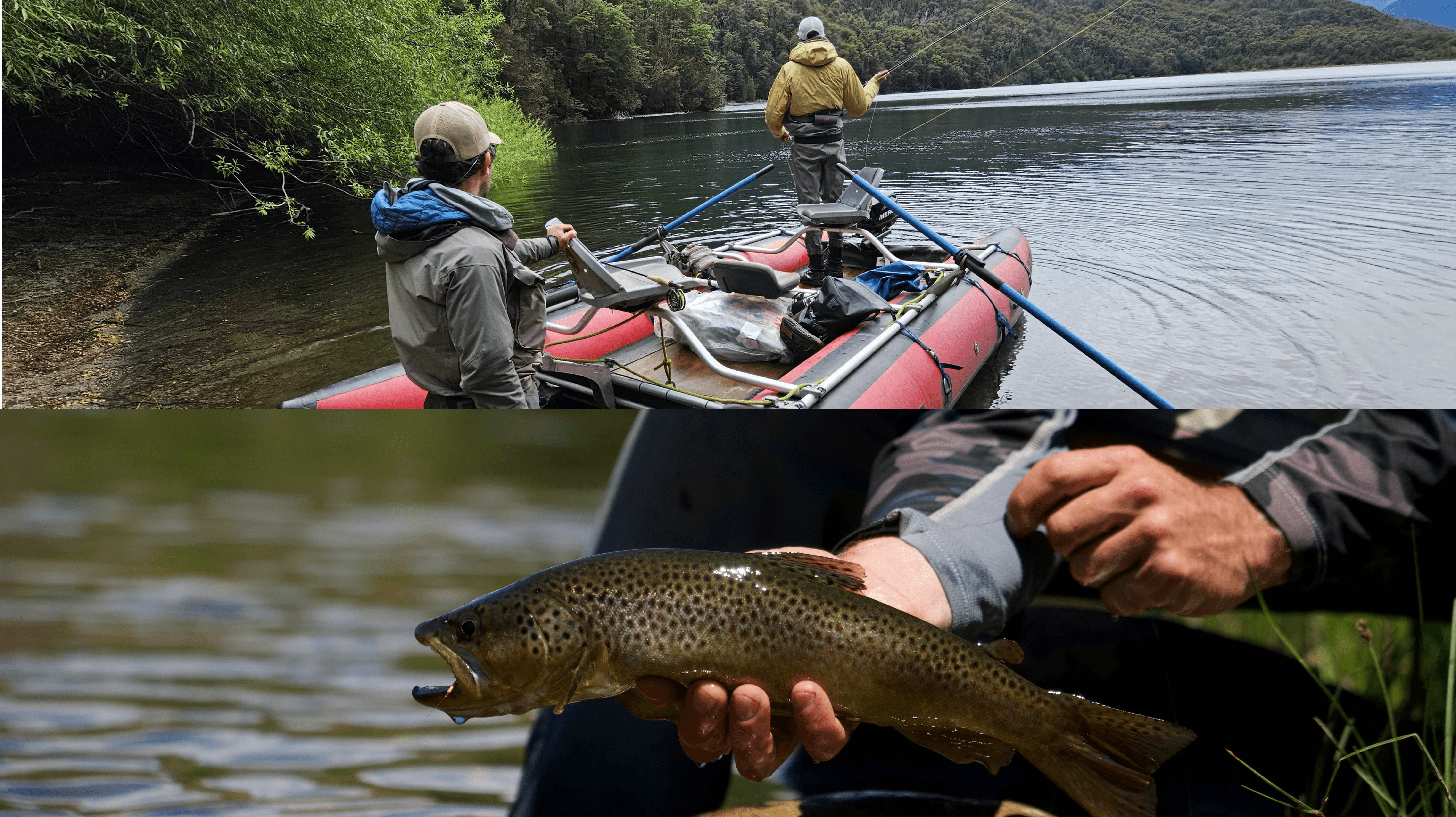
There are also a couple of spring creeks where you can stalk fish upstream. With a relatively warm November, trout have been looking up earlier than usual. These creeks have produced well with large dry flies, although things can become technical during calm evening hatches.
Lakes such as Fonk, Hess, and Steffen are well known for fishing consistently until late December, when rising water temperatures can make fish sluggish. Right now, focusing on shallow water between the bank and reed lines is one of the most effective ways to approach these lakes.
Los Alerces National Park & Trevelin Area
A couple of hours south of Bariloche, crossing from Río Negro into Chubut Province, lies Los Alerces National Park. Two of its most iconic rivers are the Rivadavia and the Arrayanes—short, stunning pieces of water that hold exceptionally healthy trout populations.
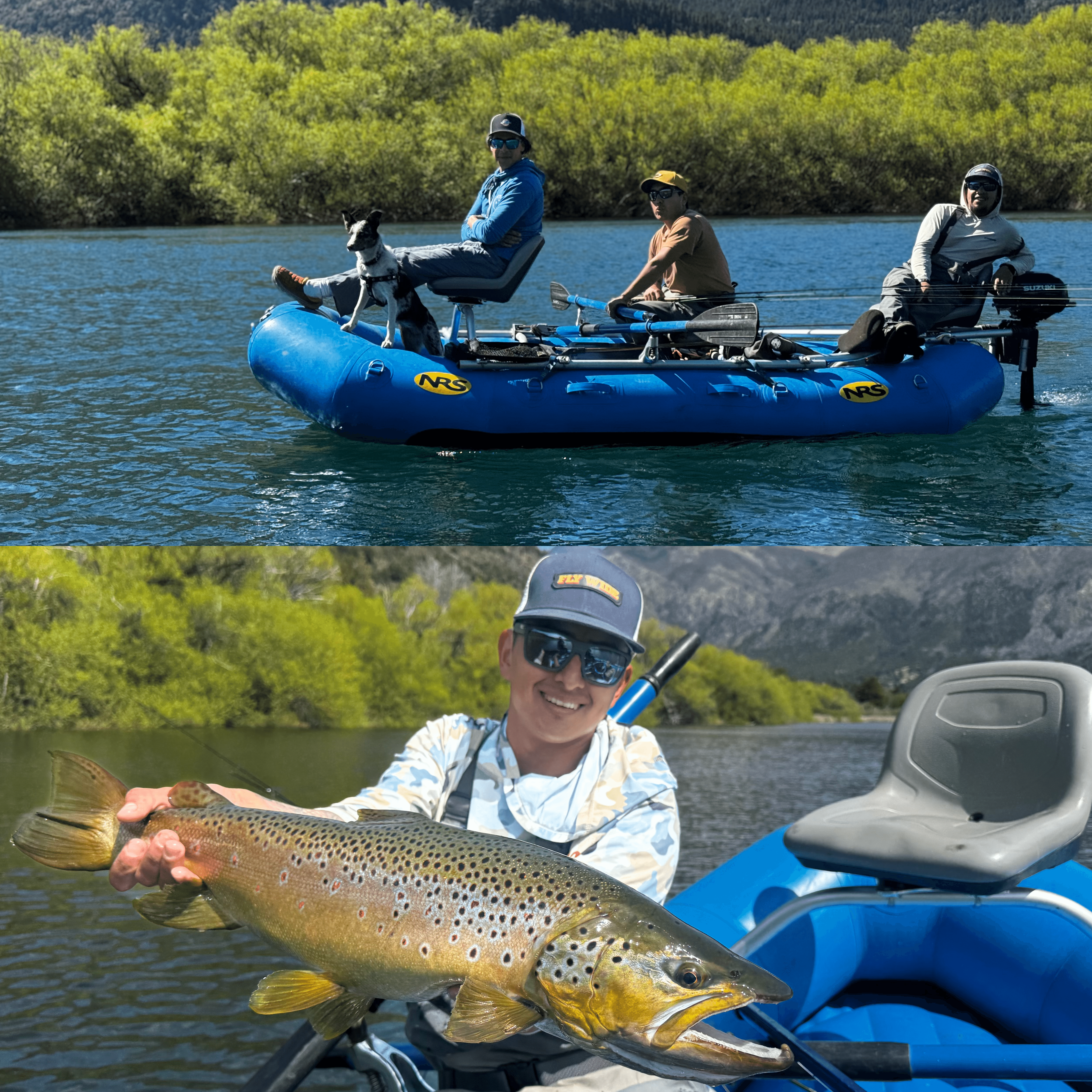
November is famous here for aggressive rainbow trout. Fresh off the spawn, they have not been picky about grabbing a bite. Browns have also been plentiful and eager to eat, but in noticeably better shape, many averaging 18–20 inches. Watching them chase, slash, and miss articulated streamers has been a daily occurrence.
There has even been some dry-fly action, which is unusual for this month, but dragonflies have been hatching slightly earlier than normal.
Los Alerces also holds a small, pristine lake nestled between both rivers: Lago Verde. Known for its dragonfly hatch, this lake offers every type of structure imaginable—huge rocks, flats, and long reed lines.
This November, flats fishing has been the highlight. Sight-fishing in waist-deep water (from a boat) during warm afternoons has produced steady action, with trout feeding heavily on scuds, micro leeches, and even large foam dries. The rocky, deeper section of the lake has been productive late in the day with sinking streamers.
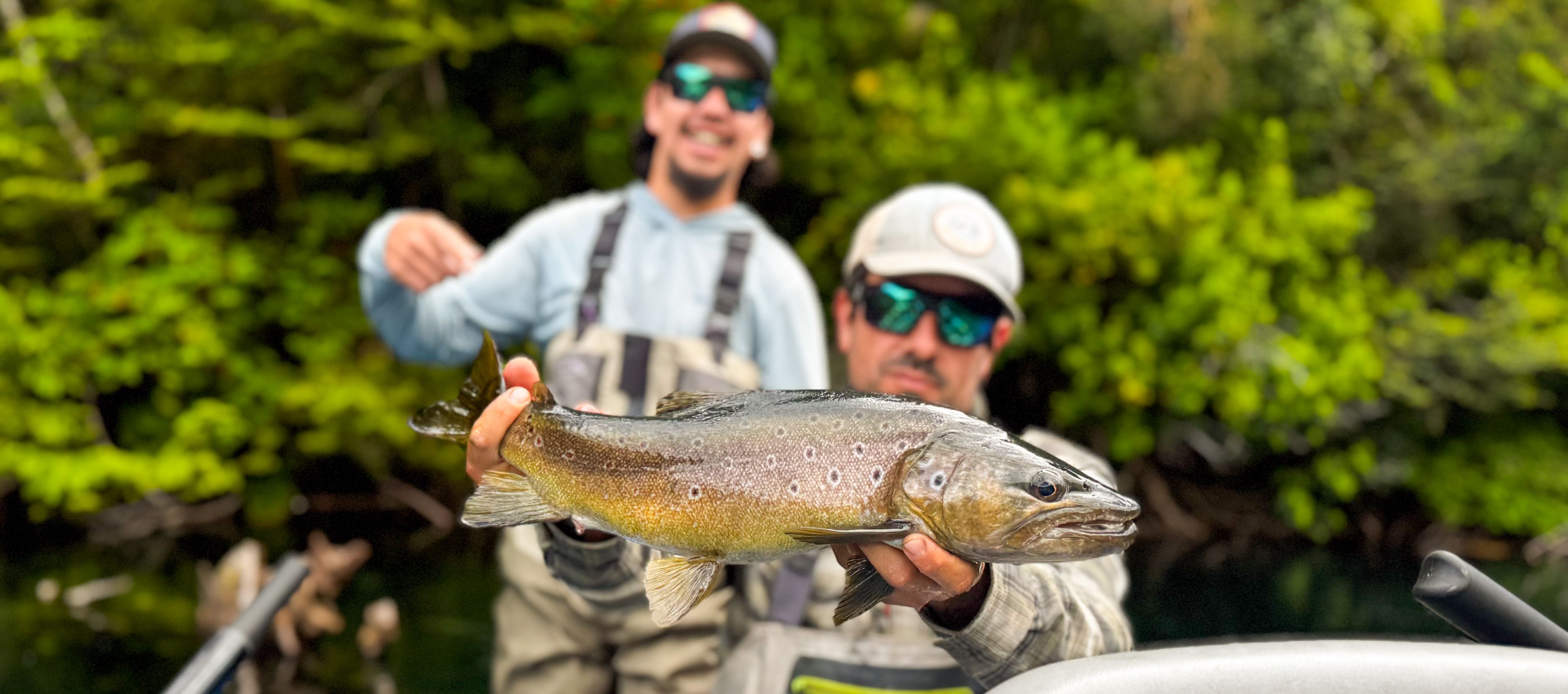
Continuing south along one of Patagonia’s most beautiful roads—the one connecting the park with Trevelin—you’ll find Laguna Larga, just outside the park boundaries. Well known for its dragonfly hatch and for holding only brown trout, this lake fished exceptionally well in November.
Trout have been spread across reed lines, flats, and deeper water, and they have shown little hesitation eating streamers and large nymphs. Toward the end of the month, fish were even seen launching into the air trying to grab flying dragonflies.
Right outside the town of Trevelin flows the Futaleufú River. As a tailwater, its level depends entirely on dam releases, making it unpredictable. Fishing can be tough during the first couple of hours after a release, but once the water stabilizes, it becomes outstanding.
It has been one of the most versatile rivers of the month, offering consistent opportunities with dry-droppers, stripped streamers, and even large dries. Most fish average around 17 inches, with a few welcome surprises mixed in.
Río Pico Area
If there are two things people associate with the Río Pico region, they are big fish and increasingly “private” water, but We’ll save that second topic for another day, 'cause we sre not here to talk politics, are we!?
In a normal November, lakes in this area tend to run high until mid-December. This year, however, levels have been relatively low from the start—without negatively affecting fishing.
The main players are Lake No. 2, Lake No. 3, and Engaño Lake.
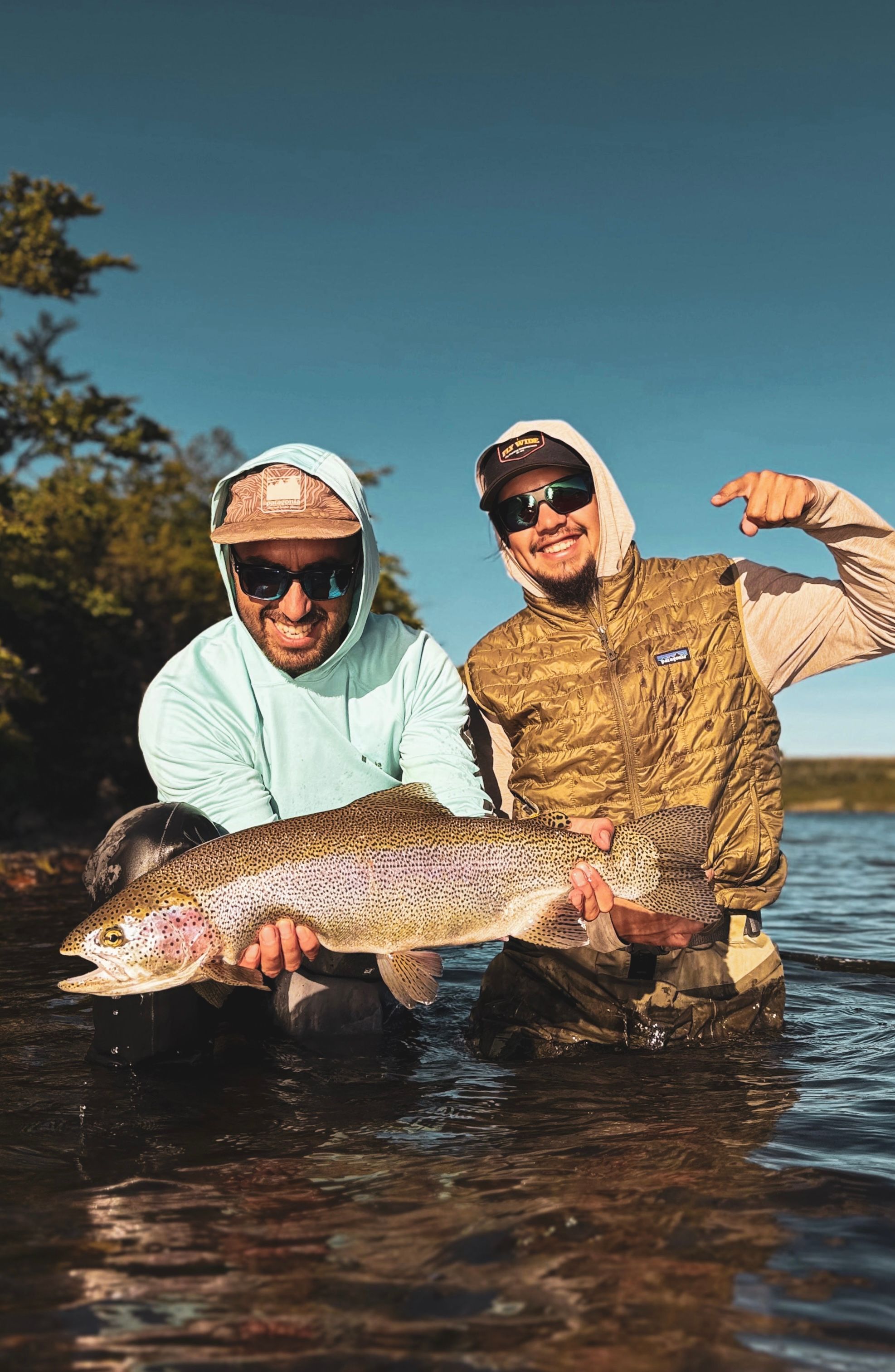
Lake No. 2, famous for large rainbows cruising shallow water, fished extremely well throughout November. Streamers, nymphs, and leeches suspended under indicators have been the go-to methods. Many rainbows appear to have spawned early and look fully recovered, making them powerful and challenging fish.
Lake No. 3 arguably holds the best brown trout in central Patagonia. A shallow lake with classic sight-fishing flats and extensive reed lines, it has produced consistently with floating lines, large streamers, and dragonfly nymphs. Fish over 22 inches have been common. It remains one of my favorite places to fish in Patagonia.
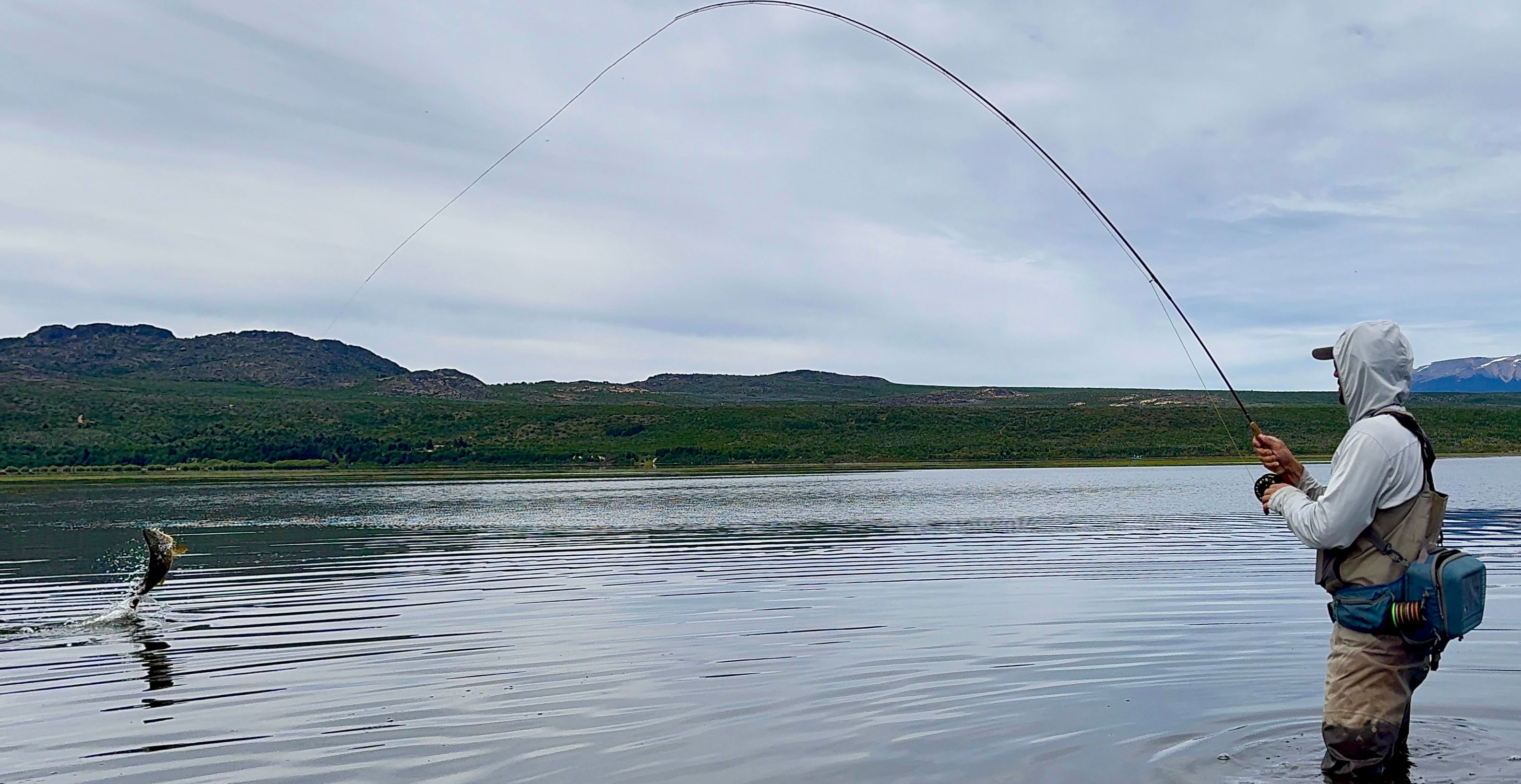
And finally, Engaño Lake—brook trout heaven. Early in the season, fish concentrate along the northwest shore. Stripping small, heavy streamers in water less than 15 feet deep triggers violent eats. Strong, healthy, and incredibly abundant, this lake likely holds one of the best brook trout populations anywhere in the world.
Ea. Laguna Verde (Strobel Lake)
One of the biggest surprises of November at Laguna Verde was seeing Moro Creek flowing at full speed for the first time after six years.
A localized snowmelt event allowed the creek to run again and fish consistently, just as it once did. While Moro Creek is not where you go in search of trophy trout, it offers pure fun—loaded with structure and happy rainbows up to 18 inches that ate dry flies all month long. It has been a perfect place to spend a session or two, change tactics, and simply enjoy a different pace of fishing during spring in Patagonia.
Though, what everyone dreams of when traveling to Ea. Laguna Verde, of course, is fishing the iconic Strobel Lake—one of the most renowned stillwaters in the world.
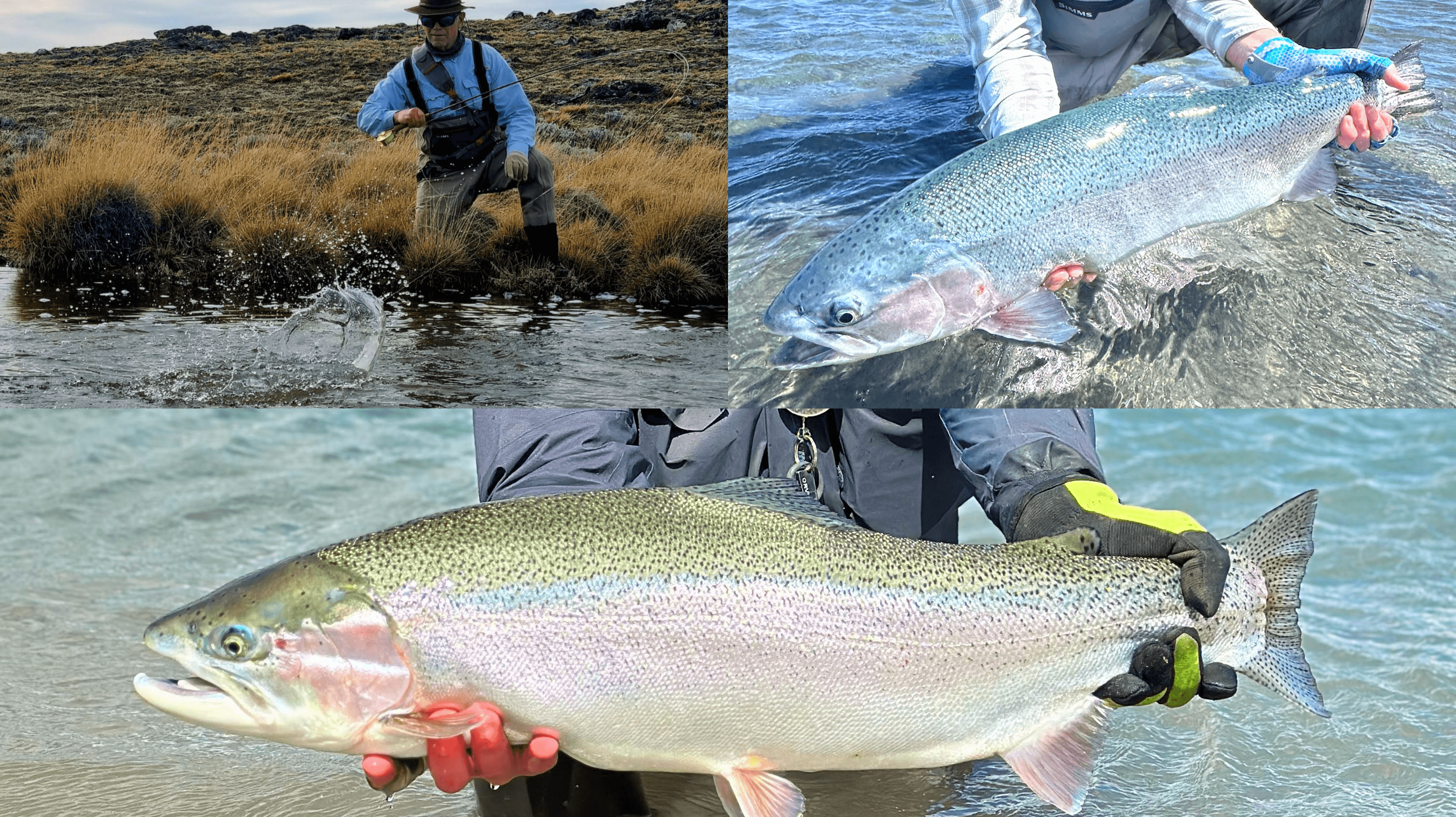
On calmer days, there are excellent chances to sight-fish to single cruising trout from the cliffs. As always, schools of rainbows hold in the bays, offering consistent opportunities throughout the day. Balanced leeches, nymphs, and scuds suspended under an indicator or fished on a dropper rig have been the most reliable patterns for this time of year.
When it comes to the Barrancoso River, November usually brings higher water, and flows can become cloudy or even dirty with little notice. But if you enjoy pocket water and swinging or stripping streamers, this is your month—and this is your river.
A Final Thought
If November has never been on your radar, maybe it’s time to rethink it.
Patagonia in spring rewards anglers who arrive with an open mind and a love for streamer eats, moving water, and uncrowded rivers.
When you’re ready to explore what November really offers, we’re always happy to help point you in the right direction.
A Critical Situation...
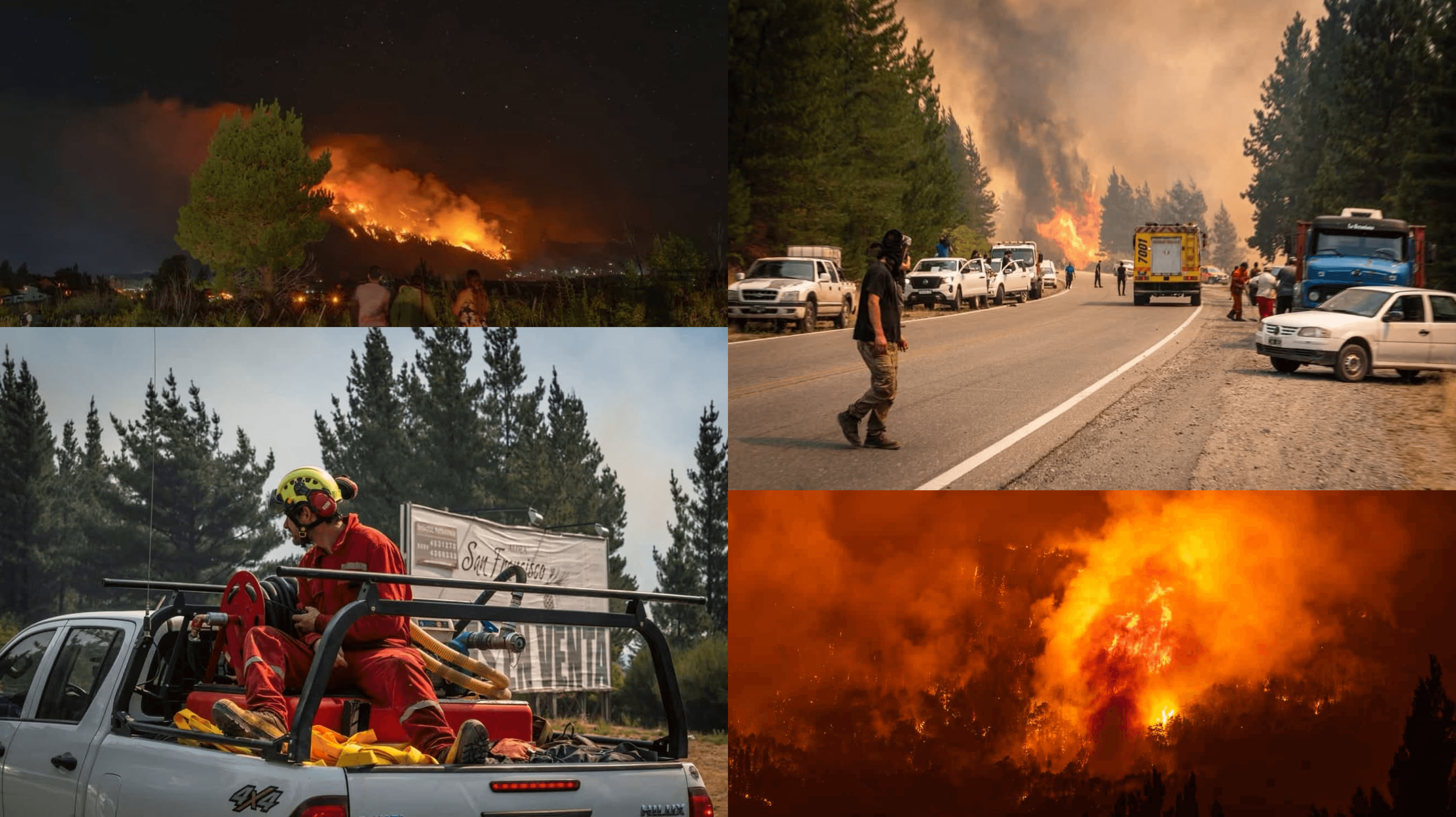
Before signing off, we feel it’s important to acknowledge what Patagonia is currently facing.
Large wildfires are impacting different regions across the south, affecting local communities, families, and the landscapes we love and depend on. It’s a difficult moment, and one that reminds us how deeply connected we are to this place.
While drought, wind, and changing climate patterns play a role, these fires are not happening in a vacuum. Real estate speculation, political interests, and the ongoing underfunding of the institutions responsible for fire prevention and response have left vast areas increasingly vulnerable.
For those who feel called to help, Flywide has a direct channel with an organization that ensures donations go straight to people and communities affected by the fires.
If you’d like to contribute or learn more, don’t hesitate to reach out.
Patagonia gives us a lot.
This is a moment to give something back.
Thanks for your reading time,
Luciano
Published: 31/1/2026
n-ovember-ye-svember