The Andino Deceiver
By Luciano Saldise
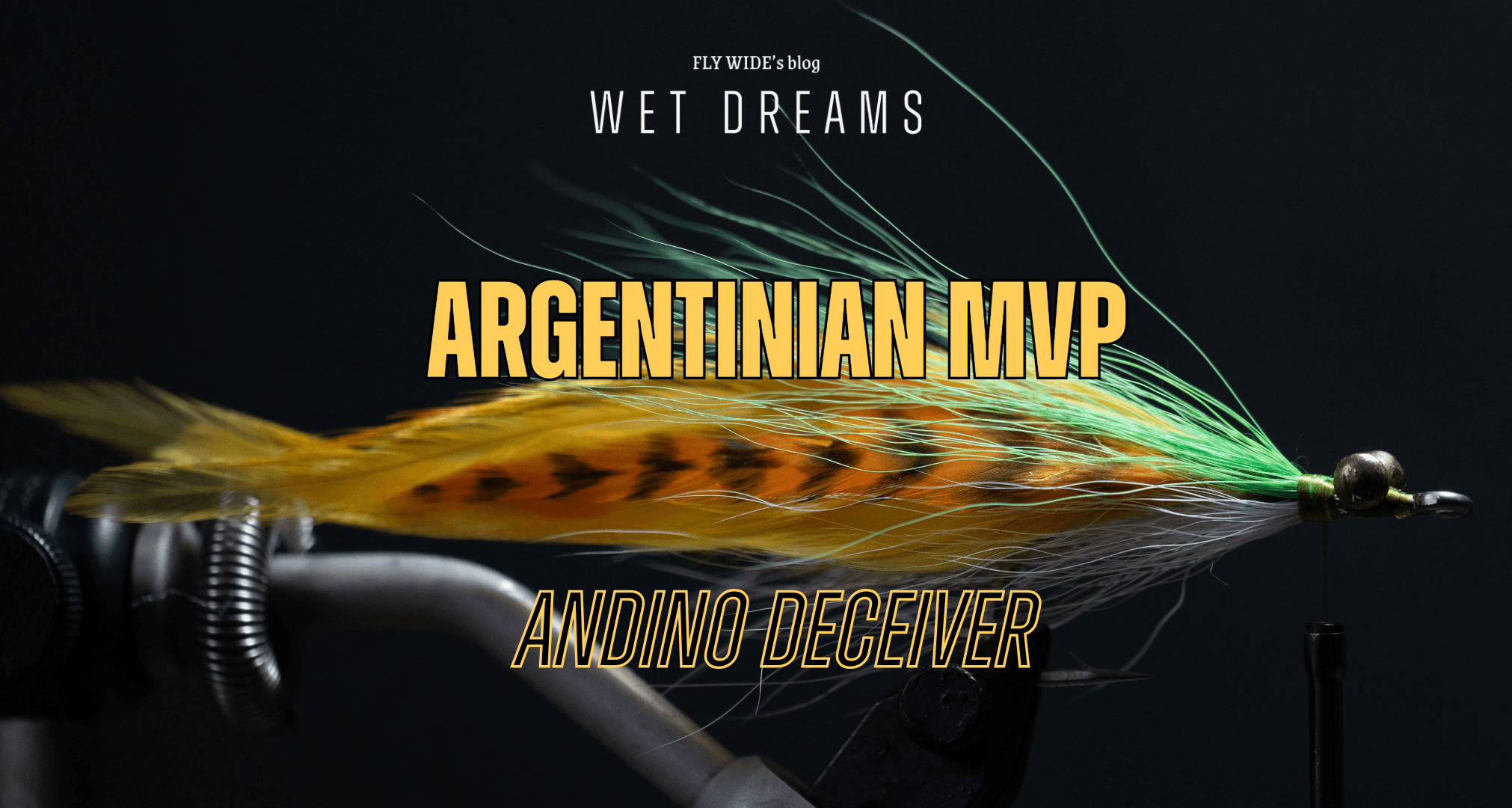
There´s a bunch of flies that have been winning a good bit of real state in any Argentinan angler's fly boxes. I just felt they deserve a bit more of recognition, them and their tyers. Here is the first one, the Andino Deceiver, bit of its background, a bit of Carlos Ingrasia and a bit of this pattern evolution.
The Andino Deceiver
The head is the fly.
Nowadays a bunch of fly tyers get too complicated when it comes to finishing a fly, just to make it look pretty, just for the Insta, just for the likes… If we look back, some of the most iconic and efficient patterns are not the prettiest (besides atlantic salmon flies, of course)
The Andino Deceiver is a clear example of flies that catch fish without being the prettiest in the room. It was created by the late Carlos Ingrassia on the banks of Argentina's Carcarañá River, while he was trying to keep up with dorado rather than sitting around making pretty flies. Over time, it became one of Argentina's most recognized dorado flies.
But there is more to the Andino story. It changed as Carlos moved from one river to another, and most of those changes came from simply paying attention to what was happening in the water.
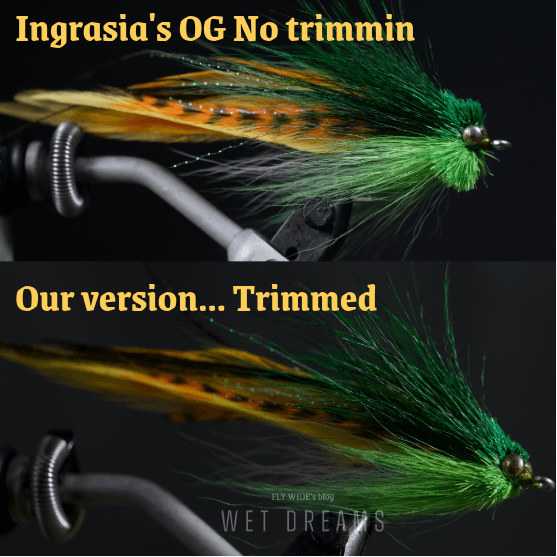
The Andino Deceiver was born in the town of Andino, on the banks of the Carcarañá River. Carlos was fishing for dorado in a place where there seemed to be an endless supply of small fish. There were so many dorado that spending time finishing a fly simply wasn't practical. Carlos would tie his flies on the concrete tables at the campground, right beside the river, and then he would fish them. There was no time to sit down and carefully trim the head into a perfectly shaped Muddler-style profile. The flies were tied, the materials were secured, and into the water they went. Only to notice that the flies with the rough, untrimmed head were actually working better. The reason was simple: that irregular mass of deer hair pushed more water. It gave the fly more presence, caracter and movement.
What started as a lack of time to make the fly pretty turned out to be a pretty damn good piece of fly design. If there is one thing to remember about tying an Andino, it is this: ‘The head is the important part’. Everything else can change. But the head is the secret.
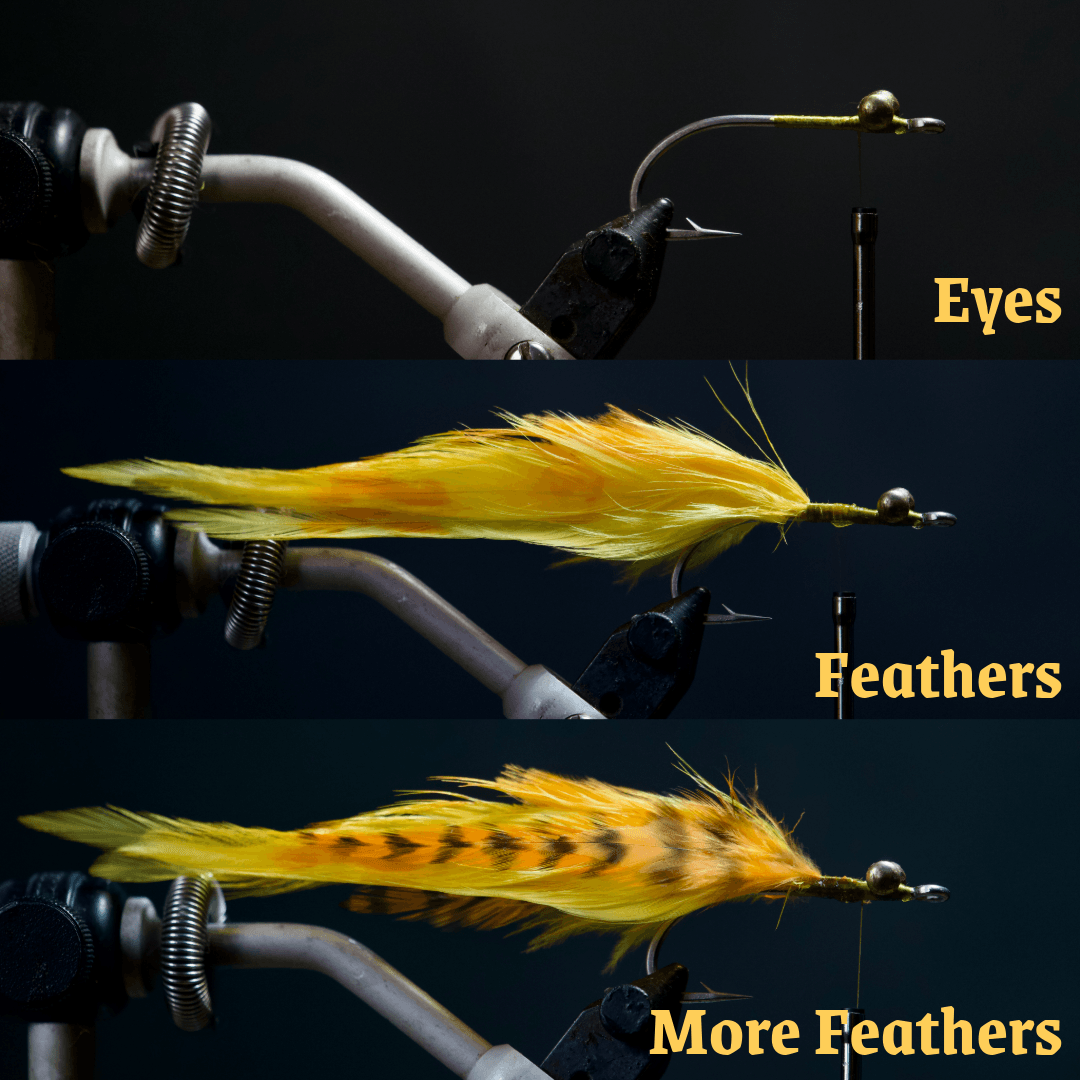
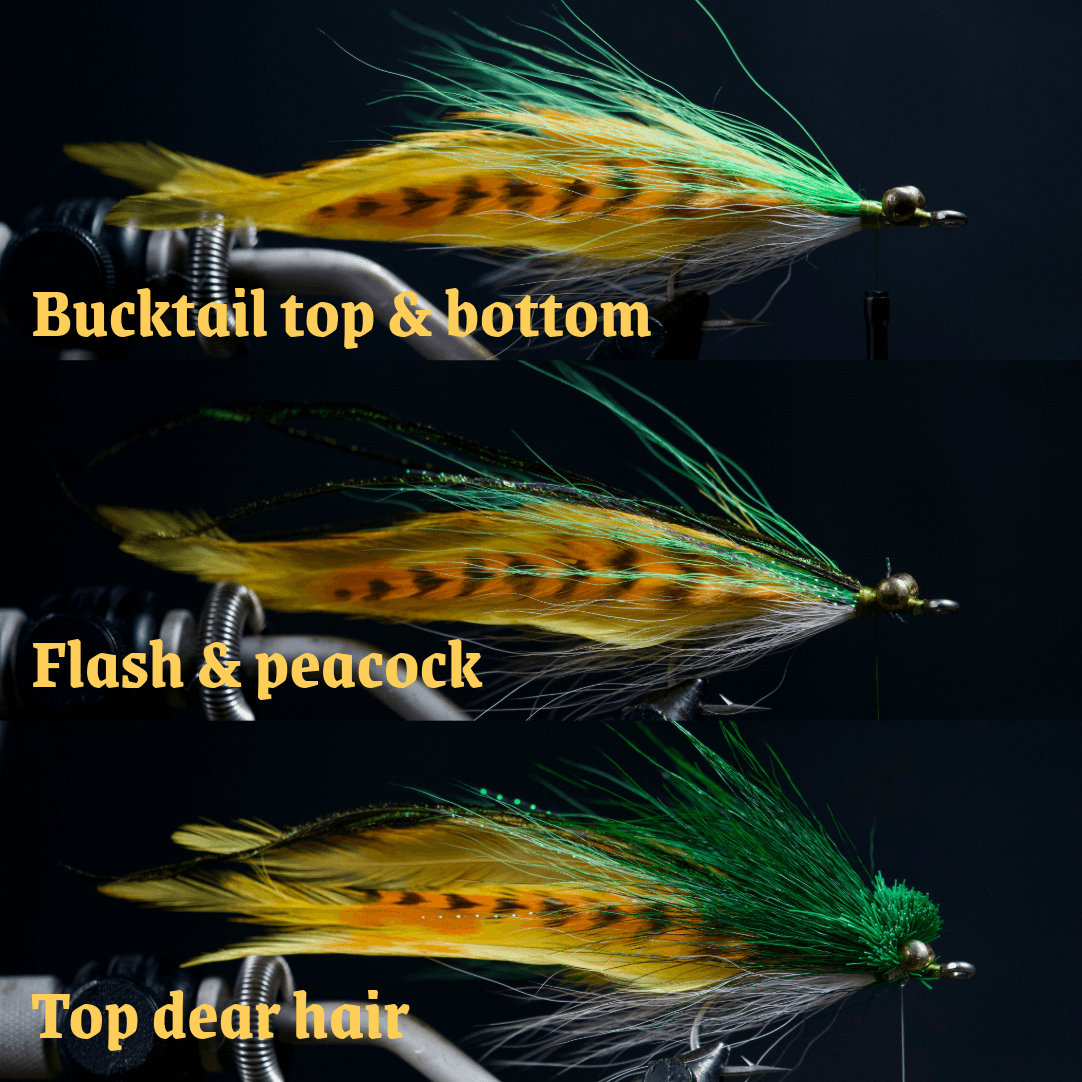
The original concept is wonderfully simple. Four or six feathers form the tail, deliberately left slightly misaligned rather than perfectly stacked and symmetrical. Then two stacks of bucktail are tied in — one forming the belly and another forming the back.
The eyes are attached using chain beads, originally sourced from something far less glamorous than a fly shop: bidet chain (if you dont know what a bidet is, there you have another excuse to visit Argentina). Behind the eyes, you leave approximately 3 to 5 mm of space. That small step creates the characteristic Andino head, and once you've created it, leave it alone. Don't trim it. Don't straighten it. Don't try to make it symmetrical. Don't give it a haircut. That rough, irregular head is what makes the Andino push water like no other!
Most fly tiers have the same problem: we like things neat. We trim, straighten and even everything out because, well… that's what you're supposed to do when tying a fly, right?
Carlos discovered that, at least with the Andino, making it prettier could actually make it less effective. The original fly was not designed around a perfect silhouette, it was designed around movement. And dorado, fortunately, have never been particularly interested in whether our flies are Instagram-ready.
The Andino goes to the Paraná
Years later, around 1984, Carlos began fishing the Paraná River in the islands opposite Rosario. The water was different from the Carcarañá, it was slower and less turbulent, and Carlos felt that the Andino Especial — originally developed for the Carcarañá — could benefit from a softer action.
But rather than designing a completely different fly, he started with what he already knew worked. The head worked. The belly and wings produced a good silhouette. So why change everything? Perhaps only the moving part needed to be different…
Carlos began replacing the deer-hair tail with different materials. He experimented with marabou, mouflon, zonker strips, weasel strips and finally hit the jackpot by using saddle hackle. At the time, even the saddle hackle was very much a homemade material. Carlos was using feathers from domestic roosters that he prepared himself.
All of them worked. And some of these experiments eventually led to new versions of the Andino. But the saddle hackle stood out. It had the movement Carlos was looking for in the slower Paraná water, while still maintaining the silhouette of the fly. It also allowed him to tie the pattern longer — an important consideration because the dorado in the islands could grow considerably larger than the fish he had been targeting on the Carcarañá.
For a while, the fly simply carried the name Andino. Then came the magazine. "You didn't invent anything. One day, a friend arrived with a North American fly-fishing magazine. With the kind of friendly sarcasm that only a fishing buddy can get away with, he showed Carlos a fly and essentially told him: “Look... turns out you didn't invent anything after all.”
The fly was Lefty Kreh's Deceiver. Carlos had never seen it before. The resemblance was obvious, but so were the differences. The Andino had its distinctive head, of course, but the number and proportions of the wings were also different.
Those proportions were not accidental. Carlos had been looking for a stronger profile — something particularly useful when fishing water with limited visibility. Eventually, because of the similarities in the tying concept, the pattern was renamed The Andino Deceiver.
And that was the beginning of the name that would eventually become known well beyond Rosario.
The Andino Deceiver eventually travelled well beyond Rosario.
People like Héctor Trapé, Darío Pedemonte and Sergio Villar helped spread the pattern, as did Carlos' years as a professional fly-fishing guide for dorado… And, of course, there was the dorado itself.
The pattern became increasingly recognized outside Argentina, especially when operations in Bolivia opened to the international market, then Andino Deceivers started flying overseas, proving to be remarkably effective for major predators such as tarpon, GTs and tigerfish … and so the Andino family continued to evolve.
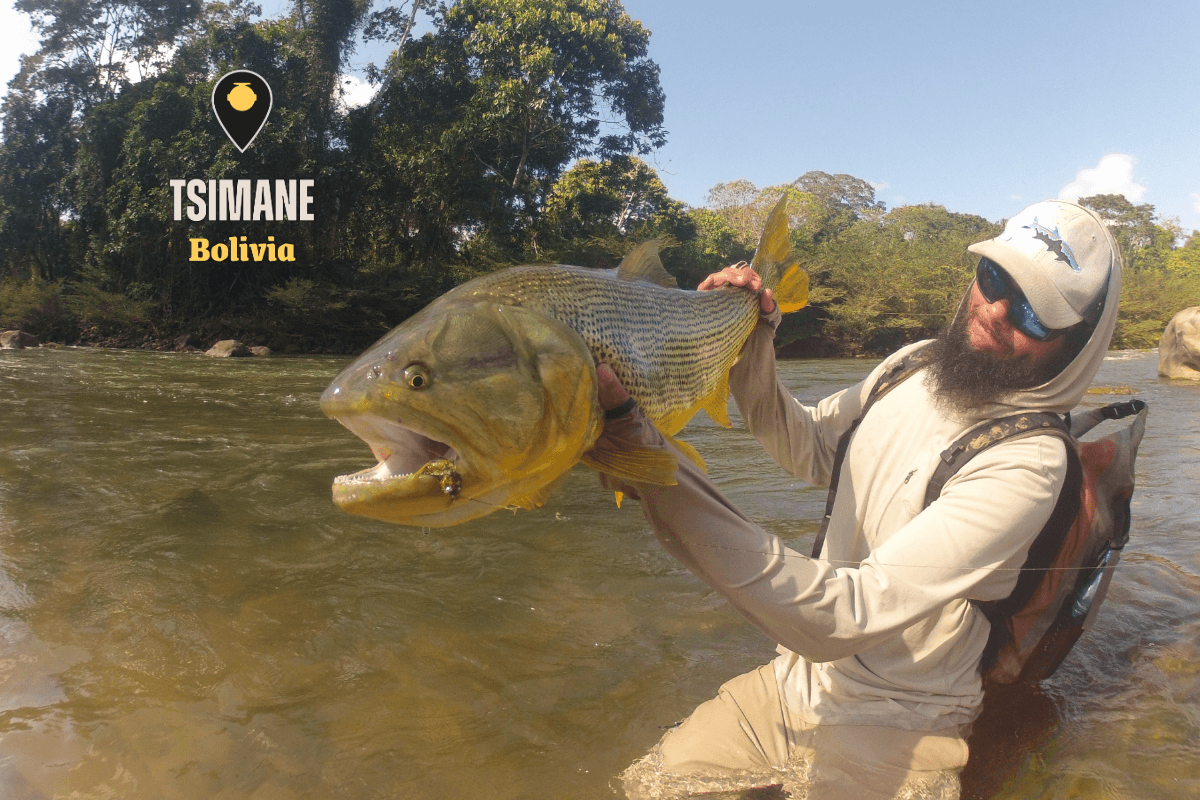
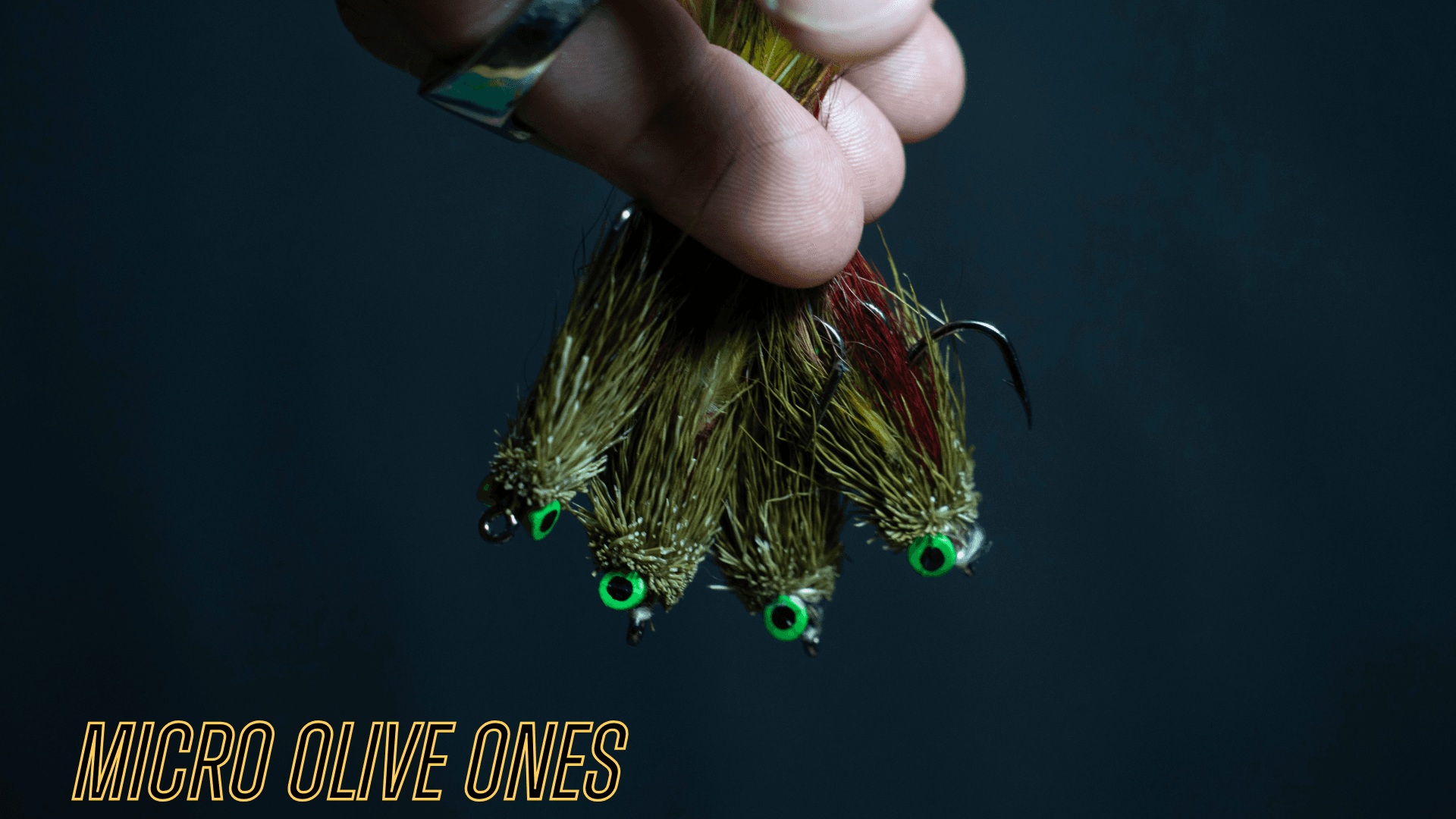
Years later, synthetic materials opened up another world of possibilities, and Carlos began tying Andinos with craft fur as well.
One of the things Carlos acknowledged was that he was never completely convinced that renaming the fly after the Deceiver had been the right decision. But names have a way of sticking. And the Andino Deceiver became the name by which the pattern was eventually known outside Rosario.
More importantly, the fly never really stopped evolving. That's probably one of the most interesting things about the Andino story. There isn't necessarily one single, untouchable recipe.
There is an idea: profile, movement and water displacement. And, above all, that very particular head.
The Andino was never about making the prettiest fly in the box. It was about making a fly that a dorado couldn't ignore. And that is probably a much better reason to keep it in your box.
I've been lucky enough to fish and guide some of the best dorado waters on the planet, surrounded by great guides and anglers who have taught me a huge amount over the years.
I'd like to especially acknowledge Darío Arrieta, a lifelong dorado angler and guide from Rosario, who introduced me to the story of the Andino Deceiver while we were sharing guiding days in Bolivia. Darío was also a good friend of Carlos Ingrassia, which made hearing the story from him even more special.
I hope you enjoyed this one, always thankfull for your reading time. And if you're heading after dorado — or any other serious predator — maybe leave a little room in the box for a few Andinos. Different sizes, different colors, different wing materials, and so on!
If you would like to see the whole tying process, check our youtube channel trough this link https://youtu.be/2VZKs5owx6w
Published: 1/10/2026
andinodeceiver-mvp